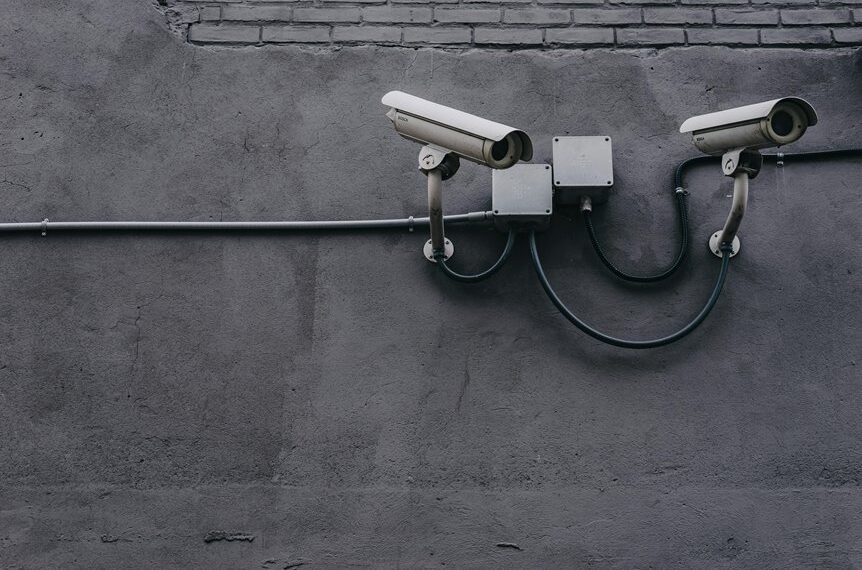
Smart tech infrastructure is increasingly vulnerable due to its complex integration of diverse systems. This creates numerous potential entry points for data breaches, often outpacing existing security measures. Inadequate protocols leave critical data susceptible to exploitation, raising concerns about the integrity of these interconnected environments. An analysis of essential security measures and emerging technologies reveals a pressing need for enhanced protection strategies. What implications do these vulnerabilities have for the future of smart city safety?
Understanding the Vulnerabilities in Smart Tech Infrastructure
How do the inherent complexities of smart tech infrastructure contribute to its vulnerabilities?
The integration of diverse systems increases potential entry points for data breaches, as inadequate security protocols often fail to address all layers of interconnected devices.
This multifaceted network complicates oversight, rendering it challenging to implement uniform security measures, ultimately exposing critical data to exploitation and undermining the overall integrity of smart tech environments.
Essential Security Measures for Smart Cities
While the implementation of smart technologies in urban environments offers numerous benefits, it simultaneously necessitates a robust framework of security measures to mitigate inherent risks.
Essential measures include stringent data privacy protocols, continuous monitoring of network infrastructures, and public safety strategies that integrate community feedback.
These components collectively aim to safeguard sensitive information while ensuring the resilience and security of smart city operations.
The Role of AI and Machine Learning in Enhancing Security
As cities increasingly incorporate smart technologies, the integration of artificial intelligence (AI) and machine learning (ML) has emerged as a pivotal element in enhancing security frameworks.
AI surveillance systems utilize real-time data to detect anomalies, while predictive analytics assess potential threats before they materialize.
This proactive approach allows for more efficient resource allocation, ultimately fostering a safer urban environment and empowering citizens with enhanced security measures.
Future Trends in Smart Tech Security and Risk Management
The ongoing advancements in AI and machine learning are setting the stage for future trends in smart tech security and risk management.
Enhanced algorithms will facilitate dynamic risk assessment, addressing privacy concerns more effectively. This evolution will empower organizations to implement proactive security measures, ensuring data integrity while adapting to emerging threats.
A focus on decentralized architectures may further promote user autonomy and resilience.
Conclusion
In conclusion, as smart tech infrastructure continues to evolve, the stakes grow ever higher. The intricate web of interconnected systems, while promising efficiency, harbors lurking vulnerabilities that threaten the integrity of critical data. Without the implementation of robust security measures and advanced technologies, the potential for catastrophic breaches looms large. The question remains: will stakeholders act decisively to bolster defenses before a breach exposes the fragility of their smart environments? Time is of the essence.